
Life is unpredictable. A sudden medical bill, unexpected car repair, job loss, or family emergency can happen without warning. Without savings set aside for these situations, many people are forced to rely on credit cards or loans, creating financial stress that can take years to overcome.
According to many financial experts, having an emergency fund is one of the most important foundations of financial security. Whether you’re just beginning your financial journey or looking to strengthen your money management habits, building an emergency fund should be one of your top priorities.
An emergency fund acts as a financial safety net, giving you peace of mind and protecting your long-term financial goals. In this guide, you’ll learn why emergency funds matter, how much you should save, and practical strategies to build one step by step
Why Is an Emergency Fund Important?

An emergency fund is money reserved specifically for unexpected expenses or financial emergencies.
Unlike savings for vacations or major purchases, this fund should only be used when genuine emergencies arise.
Having an emergency fund provides several important benefits:
- Reduces financial stress during difficult times
- Prevents reliance on high-interest debt
- Helps maintain long-term investment plans
- Provides flexibility when facing career changes
- Increases overall financial confidence
Instead of worrying about how to pay for an unexpected expense, you’ll have money readily available.
What Qualifies as an Emergency?
Not every unexpected expense counts as an emergency.
True emergencies include
- Medical expenses
- Job loss
- Emergency home repairs
- Essential vehicle repairs
- Urgent family situations
- Major appliance replacement
Expenses that should NOT come from your emergency fund
- Holiday shopping
- Vacations
- New electronics
- Dining out
- Planned home renovations
Keeping clear boundaries helps preserve your savings for situations that truly matter.
How Much Should You Save?

Financial experts often recommend saving between three and six months of essential living expenses.
| Monthly Expenses | 3 Months | 6 Months |
| $2,000 | $6,000 | $12,000 |
| $3,000 | $9,000 | $18,000 |
| $5,000 | $15,000 | $30,000 |
These are guidelines rather than strict rules.
You may want a larger emergency fund if:
- You have irregular income
- You are self-employed
- You support dependents
- Your industry experiences frequent layoffs
If you’re just getting started, don’t be discouraged by these numbers.
Your first milestone could simply be:
- $500
- $1,000
- One month’s expenses
Small goals make the process much more achievable.
Where Should You Keep Your Emergency Fund?
Accessibility is important.
Your emergency savings should be available quickly while remaining separate from your everyday spending account.
Good options include:
- High-yield savings accounts
- Money market accounts
- Cash management accounts
Avoid investing emergency funds in stocks or cryptocurrencies.
These investments can lose value precisely when you need the money most.
Liquidity and stability should always be the priority.
How to Build an Emergency Fund
1. Set a Clear Savings Goal
Determine exactly how much you want to save.
Breaking a large target into smaller milestones helps maintain motivation.
For example:
- First goal: $500
- Second goal: $1,000
- Third goal: One month of expenses
- Final goal: Six months of expenses
Celebrating each milestone keeps momentum going.
2. Create a Monthly Savings Plan
reat saving like any other bill.
Instead of saving whatever is left at the end of the month, save first.
Even setting aside $25 or $50 per week can add up significantly over time.
Consistency matters more than large contributions.
3. Automate Your Savings
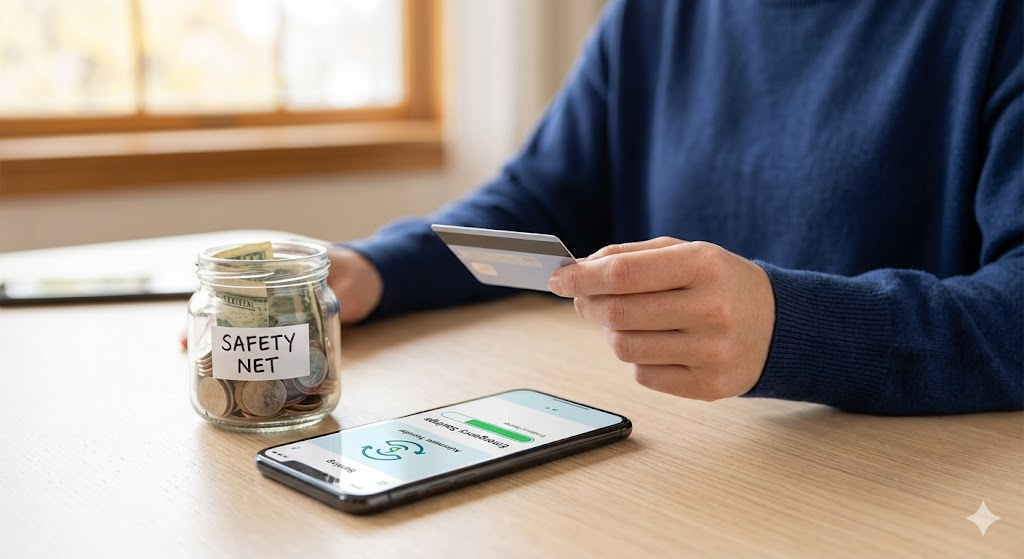
Automatic transfers eliminate the temptation to spend.
Schedule a transfer every payday from your checking account into your emergency fund.
Over time, saving becomes effortless and habitual.
Automation is one of the most effective financial strategies available.
4. Reduce Unnecessary Expenses
Review your monthly spending.
Many people discover subscriptions, impulse purchases, or convenience expenses they rarely notice.
Consider reducing:
- Streaming subscriptions
- Frequent takeout meals
- Daily coffee purchases
- Unused memberships
- Online impulse shopping
Redirecting even small amounts can accelerate your savings.
5. Save Unexpected Income
Windfalls provide excellent opportunities to boost your emergency fund.
Consider saving:
- Tax refunds
- Work bonuses
- Cash gifts
- Freelance income
- Side hustle earnings
Rather than increasing spending, allocate part or all of these funds toward your savings goal.
6. Increase Your Income
Growing your income can speed up the process.
Options include:
- Freelancing
- Tutoring
- Selling unused items
- Part-time work
- Online consulting
- Gig economy jobs
Even temporary additional income can make a significant difference.
Common Mistakes to Avoid
Using the Fund for Non-Emergencies
Impulse purchases should never come from emergency savings.
Doing so weakens your financial safety net.
Keeping Too Much Cash
Once your emergency fund reaches its target, additional savings may be better invested for long-term growth.
Holding excessive cash can reduce potential investment returns.
Stopping After the First Goa
Saving $1,000 is an excellent start, but it’s only the beginning.
Continue building until your target is fully funded.
Not Replenishing the Fund
If you use your emergency fund, prioritize rebuilding it as soon as possible.
A depleted emergency fund leaves you vulnerable to future financial shocks.
The Psychological Benefits of an Emergency Fund
Emergency savings offer more than financial protection.
They also reduce anxiety and improve decision-making.
People with financial reserves often:
- Experience less stress
- Make better career choices
- Avoid panic during economic downturns
- Feel more confident about future planning
Financial security contributes significantly to overall well-being.
Final Thoughts
Building an emergency fund takes time, patience, and consistency, but the benefits are substantial. It serves as the foundation of a strong financial plan, protecting you from life’s uncertainties while helping you avoid unnecessary debt.
Start small if necessary. The important thing is to begin. Every dollar saved moves you closer to greater financial stability and peace of mind.
Remember, financial success isn’t just about earning more—it’s about being prepared for whatever life brings.
Key Takeaways
- Build an emergency fund before focusing heavily on investing.
- Aim to save three to six months of essential living expenses.
- Automating savings makes consistency easier.
- Keep emergency funds in safe and accessible accounts.
- Rebuild your emergency fund immediately after using it.
Frequently Asked Questions
How much should I have in an emergency fund?
Most financial experts recommend saving three to six months of living expenses, though starting with $500 or $1,000 is an excellent first milestone.
Should I invest my emergency fund?
No. Emergency funds should remain in stable, easily accessible accounts rather than volatile investments like stocks or cryptocurrencies.
Can I use my emergency fund for vacations?
No. Vacations and planned purchases should have separate savings goals. Emergency funds are reserved for unexpected financial situations.
What if I can only save a small amount each month?
Even saving a small amount consistently builds momentum. Regular contributions are more important than large but infrequent deposits.
When should I stop adding to my emergency fund?
Once you’ve reached your target—typically three to six months of expenses—you can direct additional savings toward investing or other long-term financial goals.
References
- Federal Reserve
- Consumer Financial
- Protection Bureau (CFPB)
- Fidelity Investments
- VanguardInvestopedia
Related Articles
- Debt Management Strategies: How to Pay Off Debt Faster
- How to Create a Monthly Budget That Actually
- Works10 Ways to Save More Money Every Month
- Real Estate Investing for Long-Term Wealth
- Beginner’s Guide to Building Financial Freedom
About the Author
Daniel Hart
Daniel Hart is a personal finance writer at ViralStoryHub24. He focuses on budgeting, saving strategies, and practical money management techniques that help readers build long-term financial stability and achieve financial independence.