
The automotive industry is changing rapidly. As electric vehicles become more popular, many buyers are asking an important question:
Should I choose a traditional gasoline car or switch to an electric vehicle (EV)?
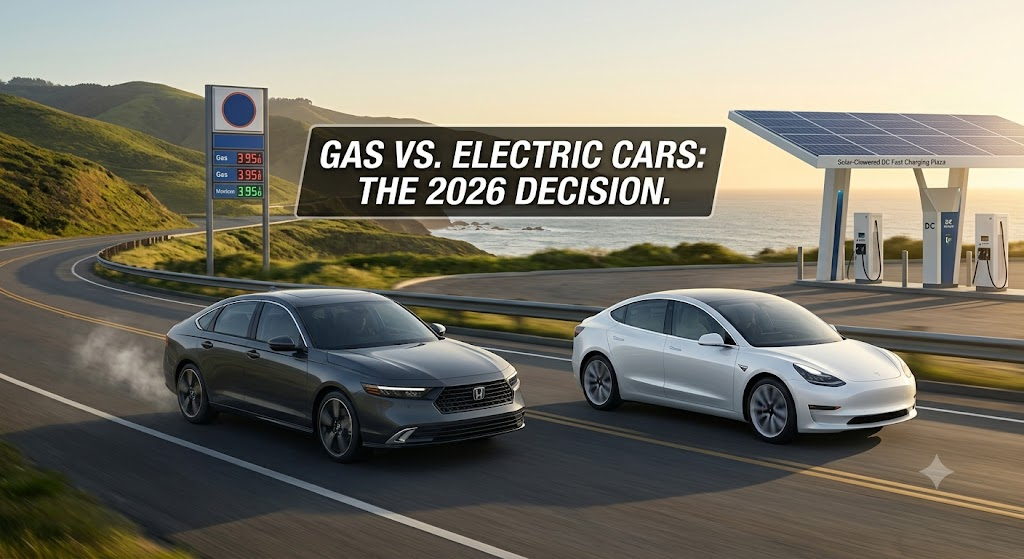
Both options offer unique advantages and disadvantages. While gasoline-powered vehicles have dominated roads for over a century, electric cars are gaining momentum due to lower operating costs, environmental benefits, and advancing technology.
Understanding the differences between these two types of vehicles can help you make a smarter and more informed purchasing decision.
In this guide, we’ll compare gas and electric cars across multiple categories, including cost, maintenance, performance, charging, and long-term value.
Understanding the Basics
Gasoline Cars
Gas-powered vehicles use internal combustion engines that burn fuel to generate power.
Examples include:
- Toyota Camry
- Honda Accord
- Ford Explorer
- Chevrolet Tahoe
These vehicles rely on gas stations and have been the standard mode of transportation for decades.
Electric Cars (EVs)
Electric vehicles use rechargeable batteries instead of gasoline.
Popular EVs include:
- Tesla Model 3
- Hyundai Ioniq 5
- Kia EV6
- Ford Mustang Mach-E
They produce zero tailpipe emissions and can be charged at home or public charging stations.
Key Differences Between Gas and Electric Cars
| Category | Gasoline Cars | Electric Cars |
|---|---|---|
| Fuel Source | Gasoline | Electricity |
| Engine Type | Internal combustion | Electric motor |
| Maintenance | Higher | Lower |
| Refueling Time | 5 minutes | 20 minutes to several hours |
| Environmental Impact | Higher emissions | Lower emissions |
| Noise Level | Louder | Very quiet |
| Operating Cost | Higher | Lower |
| Range | Typically 400–600 miles | Typically 250–400 miles |
Initial Purchase Price
One of the biggest differences is the upfront cost.
Gas Cars
Gas-powered vehicles generally have lower starting prices.
Entry-level models often cost less, making them attractive for budget-conscious buyers.
Electric Vehicles
Electric cars typically have higher purchase prices due to battery technology.
However, government incentives and tax credits in some countries can help offset the cost.
Operating Costs
Gasoline Vehicles
Owners must regularly pay for:
- Fuel
- Oil changes
- Spark plugs
- Transmission services
- Exhaust repairs
Fuel prices can fluctuate significantly.
Electric Vehicles
Electricity is generally cheaper than gasoline.
EV owners avoid expenses such as:
- Oil changes
- Engine repairs
- Transmission maintenance
As a result, many EV drivers enjoy lower annual operating costs.
Maintenance Comparison
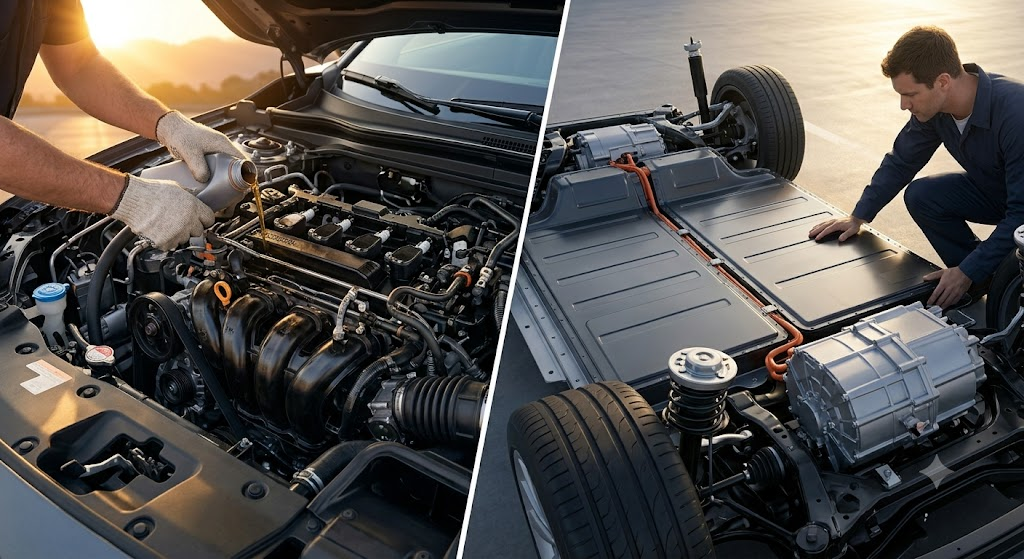
Electric vehicles contain fewer moving parts.
Typical Maintenance for Gas Cars
- Oil changes
- Timing belt replacements
- Fuel system repairs
- Engine maintenance
- Exhaust system repairs
Typical Maintenance for EVs
- Tire rotations
- Brake inspections
- Cabin air filter replacements
- Battery cooling system checks
Maintenance Cost Comparison
| Service Item | Gas Cars | Electric Cars |
|---|---|---|
| Oil Changes | Required | Not Needed |
| Spark Plugs | Required | Not Needed |
| Transmission Service | Often Required | Minimal |
| Exhaust System Repairs | Possible | None |
| Brake Wear | Moderate | Lower |
| Overall Maintenance Cost | Higher | Lower |
Driving Experience
Gas Cars
Advantages:
- Familiar driving feel.
- Easy refueling.
- Wide availability.
Disadvantages:
- Engine noise.
- More vibration.
- Slower acceleration in many models.
Electric Cars
Advantages:
- Instant torque.
- Smooth acceleration.
- Quiet operation.
Disadvantages:
- Charging infrastructure varies by location.
- Longer recharge times.
Many drivers are surprised by how responsive and enjoyable EVs feel.
Range and Refueling
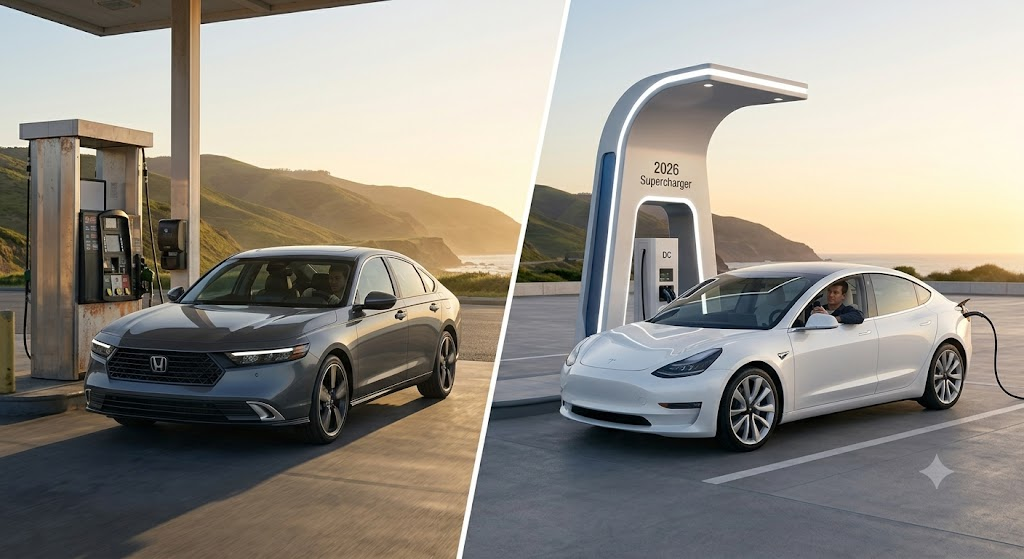
Range anxiety remains one of the biggest concerns among potential EV buyers.
Gas Cars
Typical range:
- 400–600 miles
Refueling time:
- Approximately 5 minutes
Electric Vehicles
Typical range:
- 250–400 miles
Charging time:
| Charger Type | Approximate Charging Time |
|---|---|
| Level 1 Home Charger | 20–40 hours |
| Level 2 Home Charger | 4–10 hours |
| DC Fast Charger | 20–40 minutes |
Charging infrastructure continues to improve each year.
Environmental Impact
Transportation contributes significantly to global carbon emissions.
Gas Vehicles
Produce:
- Carbon dioxide (CO₂)
- Nitrogen oxides
- Air pollutants
Electric Vehicles
Produce zero tailpipe emissions.
However, their environmental impact depends partly on how electricity is generated.
Overall, EVs generally have a smaller carbon footprint over their lifetime.
Battery Life
Modern EV batteries are designed to last a long time.
Most manufacturers provide warranties ranging from:
- 8 years
- 100,000 miles or more
Studies suggest many EV batteries may last well beyond these warranty periods.
Resale Value
Resale values vary depending on:
- Brand reputation
- Market demand
- Vehicle condition
- Technological advancements
Popular brands often maintain strong resale values.
Examples:
- Toyota
- Honda
- Tesla
Who Should Choose a Gasoline Car?
Gas-powered vehicles may be ideal if:
✅ You frequently drive long distances.
✅ Charging stations are limited in your area.
✅ You prefer lower upfront costs.
✅ You need quick refueling.
✅ You often travel in remote locations.
Who Should Choose an Electric Vehicle?
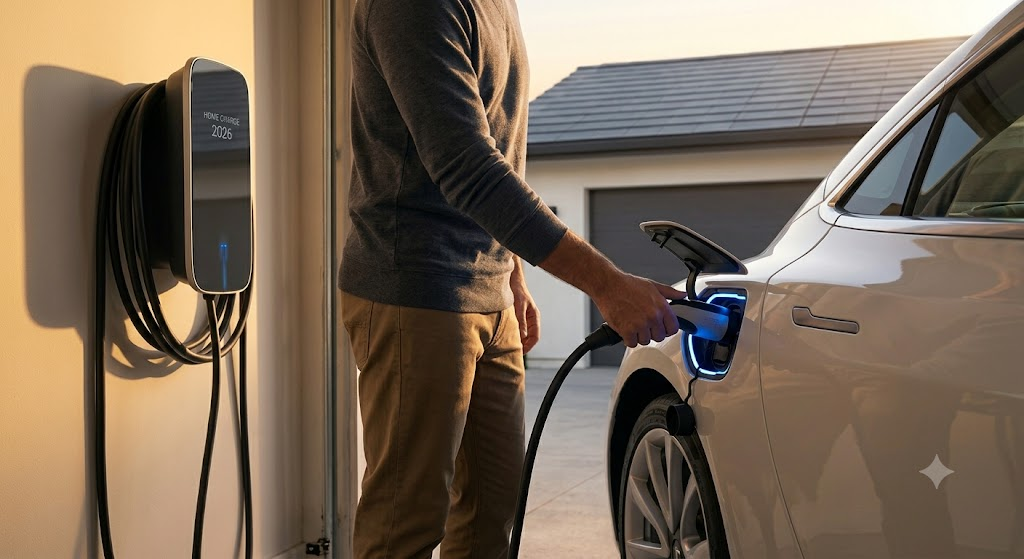
Electric cars may be suitable if:
✅ You have access to home charging.
✅ You mainly drive short or medium distances.
✅ You want lower maintenance costs.
✅ You value environmental sustainability.
✅ You enjoy new technology.
Future Trends in the Automotive Industry
Industry analysts predict continued growth in electric vehicle adoption.
Key developments include:
- Improved battery technology.
- Faster charging capabilities.
- Increased driving ranges.
- Expansion of charging infrastructure.
- More affordable EV models.
Despite this transition, gasoline vehicles are expected to remain common for many years.
Final Thoughts

Choosing between a gasoline car and an electric vehicle depends on your lifestyle, budget, and driving habits.
Neither option is universally better.
Gasoline cars provide convenience and proven reliability, while electric vehicles offer lower operating costs and a cleaner driving experience.
Before making a purchase, consider:
- Your daily commute.
- Availability of charging stations.
- Total cost of ownership.
- Long-term goals.
The best vehicle is the one that fits your needs rather than following trends.
Key Takeaways
- Gasoline cars have lower upfront costs and faster refueling.
- Electric vehicles offer lower maintenance expenses and reduced emissions.
- EV batteries are becoming increasingly durable.
- Charging infrastructure continues to improve worldwide.
- Your driving habits should play a major role in your decision.
Frequently Asked Questions
1. Are electric cars cheaper to maintain?
Yes. Electric vehicles generally require less maintenance because they have fewer moving parts and do not need oil changes.
2. How long do EV batteries last?
Most EV batteries are designed to last at least 8 years and often much longer.
3. Are gasoline cars going away?
No. Gasoline vehicles are expected to remain widely used for many years, although electric vehicle adoption is increasing.
4. Which is better for long road trips?
Gasoline cars currently offer advantages in range and refueling speed.
5. Is an electric car worth buying in 2026?
For many drivers, especially those with access to home charging, electric vehicles can provide significant savings and convenience.
Related Articles
- Stock Market for Beginners: Understanding the Basics of Investing
- Beginner’s Guide to Building Financial Freedom
- Debt Management Strategies: 10 Proven Ways to Pay Off Debt Faster
- 10 Small Changes That Can Transform Your Life in One Year